
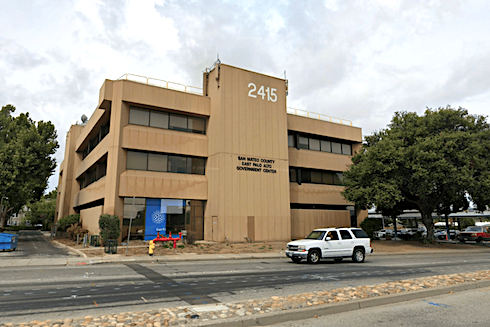
East Palo Alto voters will decide in this election the outcome of Measure O, a $125 million bond measure to build a city hall and replace deteriorating water and sewer lines.
The proposal, requiring a two-thirds of the vote to pass, places a heavy question over local wallets in a community already strained by political friction and a history of tax requests.
What is Measure O?
The city is seeking approval to issue up to $125 million in bonds. The primary goal is to fund the construction of a new 100,000-square-foot civic center at 2535 Pulgas Ave., which would house a brand-new city hall, a new library, and community spaces.
The funds would also bankroll a 20,000-square-foot police department complete with an emergency operations center. Additionally, if the bond receives at least a simple majority of support, $35 million of the total will be earmarked specifically for critical infrastructure upgrades to drinking water and storm drain systems.
The Cost to Typical Residents
If passed, Measure O will levy a property tax of $105.26 per $100,000 of assessed value while the bonds are outstanding. The tax is expected to generate approximately $8.9 million annually. For a resident owning a home with an assessed value of $800,000, this translates to an extra $842.08 per year added to their property tax bill.
Arguments for and Against
The Pros: Proponents, led by figures like Mayor Webster Lincoln, argue that East Palo Alto’s existing municipal infrastructure is severely outdated and inadequate for modern civic and emergency needs. Dedicating millions to clean drinking water and earthquake safety is framed as a long-overdue investment in basic human dignity and public safety.
The Cons: Critics echo concerns raised during previous Bay Area regional bond debates, calling large municipal bonds “blank checks” where specific accountability mechanisms can sometimes be lacking. Residents and seniors have expressed anxiety about the compounding cost of living, arguing that the tax hike could worsen the displacement of low-income homeowners in an already gentrifying area.
A History of Taxing Voters
East Palo Alto and the Ravenswood City School District have a long track record of taking tax measures to the ballot, meeting with mixed results:
- Ravenswood City School District: In May 2026, the local school board put forward Measure A, a school facilities bond measure aimed at handling an unexpected enrollment surge. The Palo Alto Daily Post endorsed a “yes” vote, commending the school district for acting responsibly after cleaning up historical financial drama. The measure passed with 70% of the vote, 2,446 to 1,051.
- Past City Measures: Landlords and businesses have been the primary targets of past city-level taxes. Voters approved a residential rental business tax (Measure L) in 2022 and a commercial office parcel tax (Measure HH) in 2018. A previous, unrelated Measure O in 2016 successfully established a 1.5% landlord tax on gross receipts, though it later sparked minor public controversy over how the city allocated those funds.
The debate over Measure O comes at a time when East Palo Alto City Hall has navigated deep internal rifts and public controversies:
- The Romero Letter Controversy: Longtime Councilman Carlos Romero faced immense public scrutiny and calls to resign from Mayor Lincoln and Councilman Mark Dinan. It was revealed that Romero used official city letterhead to submit a personal character reference for Rafael Prado, a former part-time city employee who eventually pleaded guilty to felony child sex abuse crimes. Romero refused to resign, dismissing the demands as political theater.
- Council Censures and Rifts: In September 2025, City Council meetings degenerated into insults when Romero told Mayor Lincoln he “may be deaf and dumb” during a heated debate over an affordable housing ordinance. The council voted 3-2 to censure Romero and strip him of all regional board appointments. The move fractured the local government, prompting a lawsuit from a resident alleging that the council violated the Brown Act by limiting public comment during the disciplinary meeting.
- Ethics and Agenda Clashes: In April 2026, Mayor Lincoln faced severe public backlash when he attempted to alter the city’s Code of Ethics to give the mayor ultimate decision-making authority over agenda setting. The motion failed following an outcry from residents. Additionally, former Mayor Antonio Lopez was fined by the California Fair Political Practices Commission for campaign and record-keeping violations stemming from a complaint filed by Lincoln years prior.
As East Palo Alto voters look to November, they must weigh the city’s desperate need for modernized public facilities against their trust in a heavily divided City Hall and the reality of an increased tax burden.
Why is Romero still on the council?
Inquiring minds want to know.
He’s been doing this for decades.
Look closer at his initiating Measures.
Integrity and Trust ran the gambit a long time ago.