
By Vani Sanganeria
EdSource
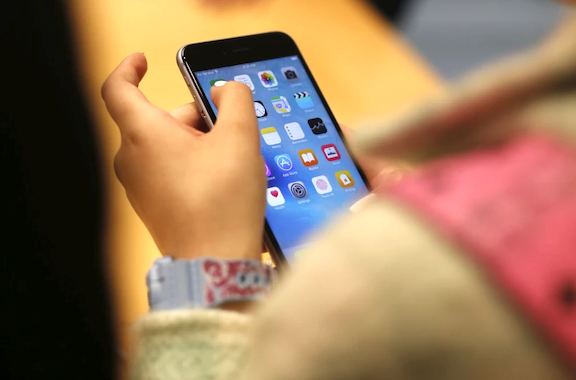
Short-term breaks from social media could significantly improve youth mental health, but they don’t necessarily reduce overall screen time, suggests a new study published in the Journal of the American Medical Association.
The national cohort study followed 373 participants aged 18 to 24 over one week of baseline social media use, and then tracked 295 of those participants who opted into a “social media detox” week. During the detox, the young adults in the study stopped using TikTok, X, Instagram, Snapchat and Facebook. Researchers used passive smartphone tracking, digital phenotyping and mental health surveys to avoid relying on self-reported screen time.
According to the study, the one-week social media detox significantly improved youth mental health, with reductions in anxiety by about 16%, depression by nearly 25%, and insomnia by nearly 15%, with no meaningful change in loneliness. Young adults who reported moderate to severe depression had the largest benefit, suggesting that social media breaks may be most valuable for students already struggling with poor mental health.
“This developmental stage, often described as emerging adulthood, is marked by heightened vulnerability and transition,” said the report’s authors. “Our findings contribute to the growing body of evidence suggesting that brief digital detox interventions may offer meaningful mental health benefits.”
Although young adults in the study reduced their social media screen time from nearly two hours per day to about 30 minutes, they spent slightly more time on their phones overall. The study also found that objective measures of social media use, like app openings and device pickups, did not directly correlate to mental health. However, young adults who reported “problematic use” of social media, like compulsive checking, social comparison and addictive patterns, were much more likely to experience poor mental health.
EdSource is a nonprofit, nonpartisan news organization.
The other thing that can help student mental health is NOT holding up as examples people who have abused authority and harmed children – like Julie Lythcott Haims.
After hiding an abusive affair with a young student when she was a Stanford Dean, Julie Lythcott Haims violated public trust by running for City Council (still hiding this horrific affair), then only admitted it when forced to. She then stepped down from every committee having to do with kids so that council didn’t force her to resign.
It’s disgusting that Julie Lythcott Haims now was held up as a role model to our kids and visited Fairmeadow school on Ruby Bridges Day. ABUSING AUTHORITY WITH YOUNG PEOPLE IS UNFORGIVEABLE. FULL STOP. Julie Lythcott Haims needs to resign immediately.