
This story was originally printed in the Wednesday, Nov. 5, edition of the Daily Post. Other publications have posted their own versions of the story, but if you want the original, pick up the Post in the mornings at 1,000 locations.
This article has been updated to correct the date of the council’s meeting.
BY ADRIANA HERNANDEZ
Dally Post Staff Writer
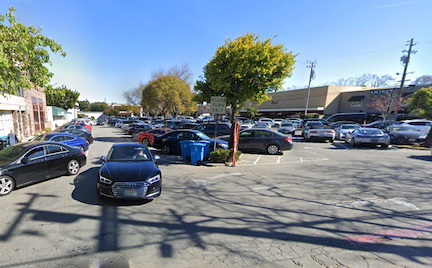
Menlo Park City Council is waiting a month before deciding whether to place on the ballot a citizens’ initiative to stop the city from replacing parking downtown with public housing projects.
The initiative, started by the group Save Downtown Menlo, drew over 3,000 signatures.
Council had the option Tuesday to put the initiative on the ballot, approve an ordinance that reflects the initiative, or ask for a report that would give council more information.
Council voted 4-1 to have a consultant write a report that is estimated to cost up to $164,951, according to City Manager Justin Murphy. Mayor Drew Combs voted against the report because it would be used by opponents and supporters to back up their arguments during the campaign.
“Asking for the report is just kicking the can down the road, and it’s a really expensive can,” Combs said in support of calling for a special election. “Democracy sometimes is costly.”
The report, prepared by consultant M-Group, would look into the city’s Housing Element, business activity, and traffic and transportation. A Housing Element is a document that describes where the city has zoned for future housing and the number of possible homes that meet the criteria set by the state.
M-Group was hired to do a similar report for the city when Measure V was rejected by 62% of voters in 2022. The rejection of Measure V allowed the Flood School development to go forward.
Combs said many people found the 2022 study biased and used it as validation for their position.
Vice Mayor Betsy Nash asked how voters will have the correct information to vote.
Combs said they would have to do research themselves, like they would have to with any other ballot measure.
“I think at the end of the day, we’re going to end up with a ballot measure,” Combs said.
Council will meet again on Dec. 2 to decide whether to pass an ordinance or put the initiative on the ballot. It will have the choice of a special election, costing between $315.000 and $378,000, or the general election ballot in November 2026.